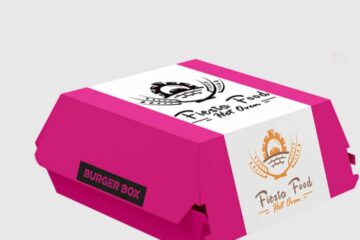


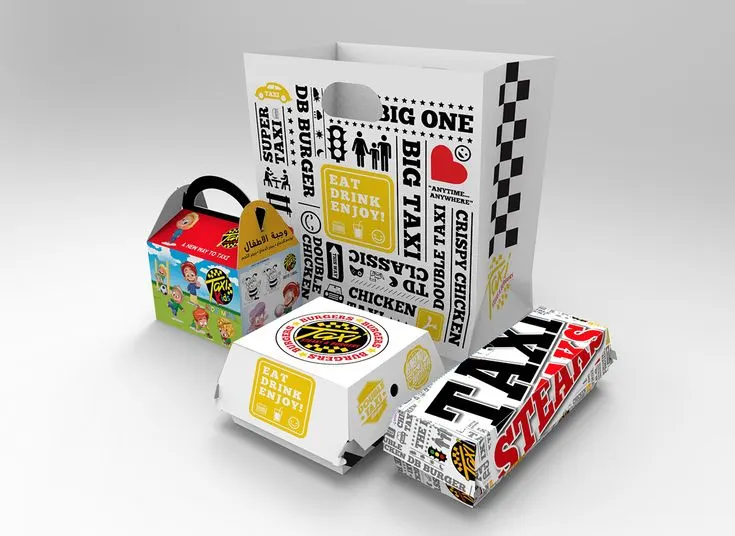
Burger packaging serves far more purposes than simply containing food from kitchen to customer. The right burger boxes protect your products during transit, maintain food quality and temperature, communicate your brand identity, and influence customer perception of value and quality. Whether you operate a quick-service restaurant, gourmet burger bar, or food truck, understanding burger box options helps you make informed decisions that enhance customer satisfaction while optimizing costs. This guide covers everything restaurant owners need to know about selecting, customizing, and ordering burger boxes that serve your business objectives.
Why Burger Box Selection Matters
The packaging you choose directly impacts multiple aspects of your restaurant operation and customer experience. Poor quality boxes lead to soggy buns, crushed burgers, and disappointed customers, while well-designed packaging preserves food quality and reinforces brand professionalism.
Key impacts of burger box choices:
- Food quality preservation: Proper ventilation prevents sogginess while maintaining temperature
- Structural integrity: Strong construction prevents crushing during handling and delivery
- Brand representation: Custom printing communicates professionalism and attention to detail
- Customer convenience: Easy-to-handle designs improve the eating experience
- Cost management: Bulk ordering and appropriate sizing optimize packaging budgets
- Environmental positioning: Material choices signal sustainability values to customers
Understanding Burger Box Materials
Material selection determines durability, food safety compliance, environmental impact, and printing quality. Different materials serve different restaurant needs and brand positioning strategies.
Kraft Paperboard
Natural kraft paperboard offers the most popular choice for burger packaging, combining strength, affordability, and eco-friendly appeal.
Characteristics of kraft boxes:
The natural brown color immediately signals environmental consciousness and artisan quality to customers. Kraft material’s inherent strength comes from long wood fibers that resist grease and moisture while maintaining structural integrity. This material accepts various printing methods while preserving its distinctive natural aesthetic.
Advantages:
- Eco-friendly and recyclable composition
- Strong grease resistance properties
- Cost-effective for most operations
- Appeals to environmentally conscious consumers
- Natural rustic appearance suits burger aesthetics
Best applications:
Kraft boxes work exceptionally well for casual dining concepts, food trucks and street food vendors, organic or natural burger brands, takeaway and delivery services, and restaurants emphasizing sustainability.
For businesses seeking sustainable packaging with authentic appeal, kraft burger boxes for takeaway provide the ideal combination of environmental responsibility and reliable food protection.
White Paperboard
White paperboard delivers clean, professional aesthetics ideal for premium burger concepts and upscale casual dining.
Benefits of white boxes:
Superior print quality: White backgrounds allow vibrant colors and sharp graphics without interference from brown undertones, enabling complex designs and full-color photography.
Premium positioning: Clean white suggests quality, cleanliness, and attention to detail that justifies higher menu prices.
Versatility: Works across diverse concepts from fast-casual to gourmet burger establishments.
When to choose white boxes:
- Premium burger concepts with higher price points
- Restaurants emphasizing cleanliness and quality
- Brands requiring vibrant full-color printing
- Upscale casual dining environments
- Locations where shelf appeal matters significantly
Grease-Resistant Coatings
Regardless of base material, grease-resistant treatments prevent oil and moisture from compromising box integrity.
Coating options:
| Coating Type | Performance | Cost | Environmental Impact |
|---|---|---|---|
| Aqueous coating | Good resistance | Low | Eco-friendly, recyclable |
| Wax coating | Moderate resistance | Very low | Biodegradable |
| PE coating | Excellent resistance | Moderate | Not biodegradable |
| PLA coating | Good resistance | Higher | Compostable, plant-based |
Burger Box Sizes and Configurations
Proper sizing ensures burgers fit comfortably without excess space that allows movement and potential damage during handling.
Standard Size Options
Common burger box dimensions:
Small (4″ x 4″ x 2.5″):
- Best for: Sliders, kids’ burgers, single patties
- Capacity: Standard single burger with minimal toppings
- Typical use: Children’s menus, appetizer portions
Medium (5″ x 5″ x 3″):
- Best for: Standard burgers, most menu items
- Capacity: Single patty with standard toppings
- Typical use: Most common size for regular burgers
Large (6″ x 6″ x 3.5″):
- Best for: Double burgers, loaded specialty items
- Capacity: Multiple patties with extensive toppings
- Typical use: Premium burgers, signature items
Extra Large (7″ x 7″ x 4″):
- Best for: Triple burgers, extreme specialty burgers
- Capacity: Large burgers with sides included
- Typical use: Challenge burgers, combination meals
Clamshell vs. Box Design
Clamshell hinged containers:
Advantages:
- One-handed opening convenience
- Secure closure during transport
- No separate lid to lose or manage
- Easy for customers eating in vehicles
Considerations:
- Slightly higher cost than traditional boxes
- More material used in construction
- Can be harder to stack efficiently
Traditional box and lid:
Advantages:
- More cost-effective production
- Better stackability for storage
- Classic appearance
- Easier bulk packaging
Considerations:
- Requires two-handed opening
- Lid can separate during handling
- Slightly less secure closure
Customization and Branding Options
Custom printing transforms functional packaging into powerful marketing tools that reinforce brand identity with every order.
Design Elements
Essential branding components:
Logo placement:
- Primary position: Top center of lid for maximum visibility
- Secondary position: Side panels for stacked display
- Size: Large enough to read from arm’s length (minimum 2-3 inches)
Color schemes:
- Match brand guidelines consistently across all packaging
- Use high-contrast combinations for readability
- Consider how colors appear on kraft vs. white backgrounds
- Limit to 2-4 colors for cost-effectiveness
Typography:
- Select fonts reflecting brand personality (playful, sophisticated, bold)
- Ensure text remains legible at packaging size
- Include essential information (restaurant name, contact, website)
Imagery and graphics:
- Use appetizing food photography if budget allows
- Incorporate patterns or textures adding visual interest
- Keep designs simple for clear communication
- Consider how graphics work on three-dimensional boxes
Printing Methods
Flexographic printing:
This most common method for burger boxes offers good quality at reasonable costs for medium to large runs.
Characteristics:
- Cost-effective for 1,000+ units
- 1-4 spot colors typically
- Good quality for logos and solid graphics
- Fast production times
Digital printing:
Modern digital methods suit smaller quantities and complex designs.
Characteristics:
- Economical for 100-500 units
- Full-color capability
- Higher per-unit cost
- Perfect for testing new designs
Considerations for custom printing:
- Minimum order quantities: Our minimum order is 100 units, printed or plain
- Setup costs: None here: there are no die or plate charges
- Lead times: Production is typically 7–10 business days after artwork approval; rush is available
- File requirements: Vector files (AI, EPS, PDF) ensure best quality
Restaurants seeking professional branded packaging discover custom burger boxes for restaurants provide the perfect canvas for creating memorable brand experiences that customers recognize and remember.
Bulk Ordering Considerations
Strategic bulk purchasing balances inventory investment with significant cost savings and ensures consistent supply.
Volume Pricing
Order quantity dramatically impacts per-unit costs:
| Quantity | Price Range (per box) | Best For |
|---|---|---|
| 100-500 | From $0.20 | Testing, small operations |
| 500-1,000 | From $0.20, falling with volume | Small to medium restaurants |
| 1,000-2,500 | Quoted per run | Medium volume establishments |
| 2,500-5,000 | Quoted per run | High volume restaurants |
| 5,000-10,000 | Quoted per run | Multi-location operations |
Storage Requirements
Calculating storage needs:
Burger boxes ship flat for efficient storage. Understanding space requirements helps plan warehouse or storage room capacity.
Storage example:
- 1,000 flat burger boxes: Approximately 4-5 cubic feet
- 5,000 flat burger boxes: Approximately 20-25 cubic feet
Storage best practices:
- Climate control: Store in dry environment preventing moisture damage
- Elevation: Keep boxes off floor on pallets or shelving
- Organization: Rotate stock using oldest inventory first
- Protection: Cover stacks to prevent dust and contamination
- Accessibility: Position frequently used sizes in easy-reach locations
Inventory Management
Calculating optimal order quantity:
Step 1: Track daily burger sales for 2-4 weeks
- Example: Average 150 burgers daily
Step 2: Calculate monthly usage
- 150 burgers × 30 days = 4,500 boxes monthly
Step 3: Add safety buffer (20-30%)
- 4,500 × 1.25 = 5,625 boxes
Step 4: Round to standard order quantity
- Order: 5,000-6,000 boxes (approximately 1-1.5 month supply)
Factors affecting order quantity:
- Seasonal variation: Increase inventory before busy seasons
- Storage capacity: Don’t exceed available space
- Cash flow: Balance savings with capital availability
- Menu changes: Avoid over-ordering if redesigns planned
- Growth projections: Account for increasing sales volumes
Food businesses requiring consistent supply at competitive pricing benefit from bulk burger boxes for food businesses that offer volume discounts while ensuring reliable inventory levels.
Ventilation and Moisture Control
Proper airflow prevents condensation that creates soggy buns and compromised food quality.
Ventilation Features
Steam release holes:
Small perforations allow steam to escape while maintaining structural integrity.
Placement options:
- Top center: Primary steam release point
- Side panels: Additional airflow
- Multiple small holes: Better than few large openings
- Strategic positioning: Avoid compromising structural strength
Benefits:
- Prevents moisture accumulation
- Maintains crispy bun texture
- Reduces condensation on packaging interior
- Extends acceptable holding time
Material Selection for Moisture Management
Grease-resistant barriers:
Different treatments offer varying levels of moisture protection:
Light resistance: Suitable for minimal-topping burgers, short holding times (5-10 minutes), dry burger preparations.
Medium resistance: Ideal for standard burgers with typical condiments, moderate holding times (10-20 minutes), most restaurant applications.
Heavy resistance: Required for extra-sauce burgers, long holding times (20-30+ minutes), delivery-focused operations.
Food Safety and Compliance
Burger packaging must meet health department standards and food safety regulations.
Material Safety Standards
Required certifications:
- FDA approval: All materials contacting food must be FDA-compliant
- Food-grade inks: Printing must use approved food-safe inks
- Grease-resistant treatments: Coatings must be certified for food contact
- Manufacturing standards: Facilities should follow food safety protocols
Temperature Considerations
Hot food holding:
Burger boxes must withstand typical burger serving temperatures (140-165°F) without structural degradation or chemical migration.
Performance requirements:
- No warping or deformation
- Coating integrity maintained
- No odor or taste transfer
- Safe customer handling temperatures
Working with Suppliers
Selecting reliable suppliers ensures consistent quality, competitive pricing, and responsive service.
Key Questions for Suppliers
About products:
- What sizes and materials do you stock?
- Can you provide material samples for testing?
- What customization options are available?
- Are materials FDA-approved for food contact?
About ordering:
- What are minimum order quantities for stock vs. custom?
- What are typical lead times for each order type?
- Do you offer rush production options?
- What are your payment terms and pricing structure?
About quality:
- What quality control processes do you follow?
- What is your defect rate tolerance?
- How do you handle quality issues or defective shipments?
- Can you provide references from other restaurant clients?
Sample Testing
Always order samples before committing to large purchases.
Testing process:
- Visual inspection: Assess print quality, construction, and finish
- Actual use testing: Place real burgers in boxes
- Holding time testing: Monitor moisture and temperature over time
- Handling simulation: Test boxes through typical service scenarios
- Staff feedback: Get input from kitchen and service teams
Environmental Considerations
Sustainable packaging choices increasingly influence customer perceptions and purchasing decisions.
Eco-Friendly Materials
Recycled content:
- Post-consumer recycled paperboard (30-100% content)
- Reduces virgin material consumption
- Appeals to environmentally conscious customers
- Often comparable pricing to virgin materials
Biodegradable options:
- Fully compostable materials and coatings
- Break down in commercial composting facilities
- Premium positioning opportunity
- Typically 10-20% cost increase
Recyclability:
- Standard kraft and white paperboard recycles easily
- Certain coatings affect recyclability
- Provide recycling instructions on packaging
- Support local recycling programs
Communicating Sustainability
On-package messaging:
- Include recycling symbols and instructions
- State recycled content percentages
- Highlight compostable or biodegradable properties
- Share your sustainability commitment
Cost Optimization Strategies
Managing packaging costs without sacrificing quality requires strategic planning.
Cost-Saving Approaches
Stock vs. custom:
- Stock boxes with stickers/stamps (lower upfront cost)
- Custom printed boxes (better branding, higher minimums)
- Hybrid approach: Stock boxes with custom labels
Right-sizing:
- Match box size precisely to burger size
- Eliminate wasted space and excess material
- Reduce dimensional weight for delivery operations
Timing purchases:
- Order during supplier promotions
- Plan ahead to avoid rush fees
- Consolidate orders for volume discounts
Quality balance:
- Invest in appropriate quality for your market
- Avoid over-engineering for basic applications
- Don’t compromise on critical features (grease resistance)
Final Considerations
Selecting burger boxes requires balancing product protection, brand presentation, customer convenience, budget constraints, and environmental values. Start with clear understanding of your burger sizes, service style (dine-in, takeaway, delivery), brand image, target customer expectations, and packaging budget.
Test samples thoroughly with actual menu items before large orders. Build relationships with reliable suppliers who understand restaurant operations and can scale with your business growth. Remember that packaging represents your brand in customers’ hands and homes—invest appropriately in solutions that protect food quality while creating positive impressions.
Whether you need basic kraft boxes for a food truck or fully branded burger packaging solutions for a multi-location restaurant group, working with an experienced burger box manufacturer ensures you receive quality packaging that serves your business while delighting customers with every order.